Restorative Learning: Creating Your Own Personal Curriculum for Growth
Amidst the pull of short-form videos, ever-shortening attention spans, and growing concerns around literacy and deep thinking, stepping away from mindless scrolling and investing in yourself can only be a good idea. Instead of consuming information passively, more people are choosing to build their own curriculum for life.
As someone who grew up on documentaries and books, and who has never stopped loving the process of learning new things, I am all for this trend. Creating a personal curriculum is a form of restorative learning, that keeps your intellectual curiosity alive and thriving.
Where traditional learning is designed like a conveyor belt (rushing through information to tick boxes and meet deadlines) that removes personalisation and standardises the learner, restorative learning recognises the learner as a whole being with a mind, body, and soul that can be nourished. You are more than a machine to be programmed.
In this process you become both teacher and student, creator and consumer.
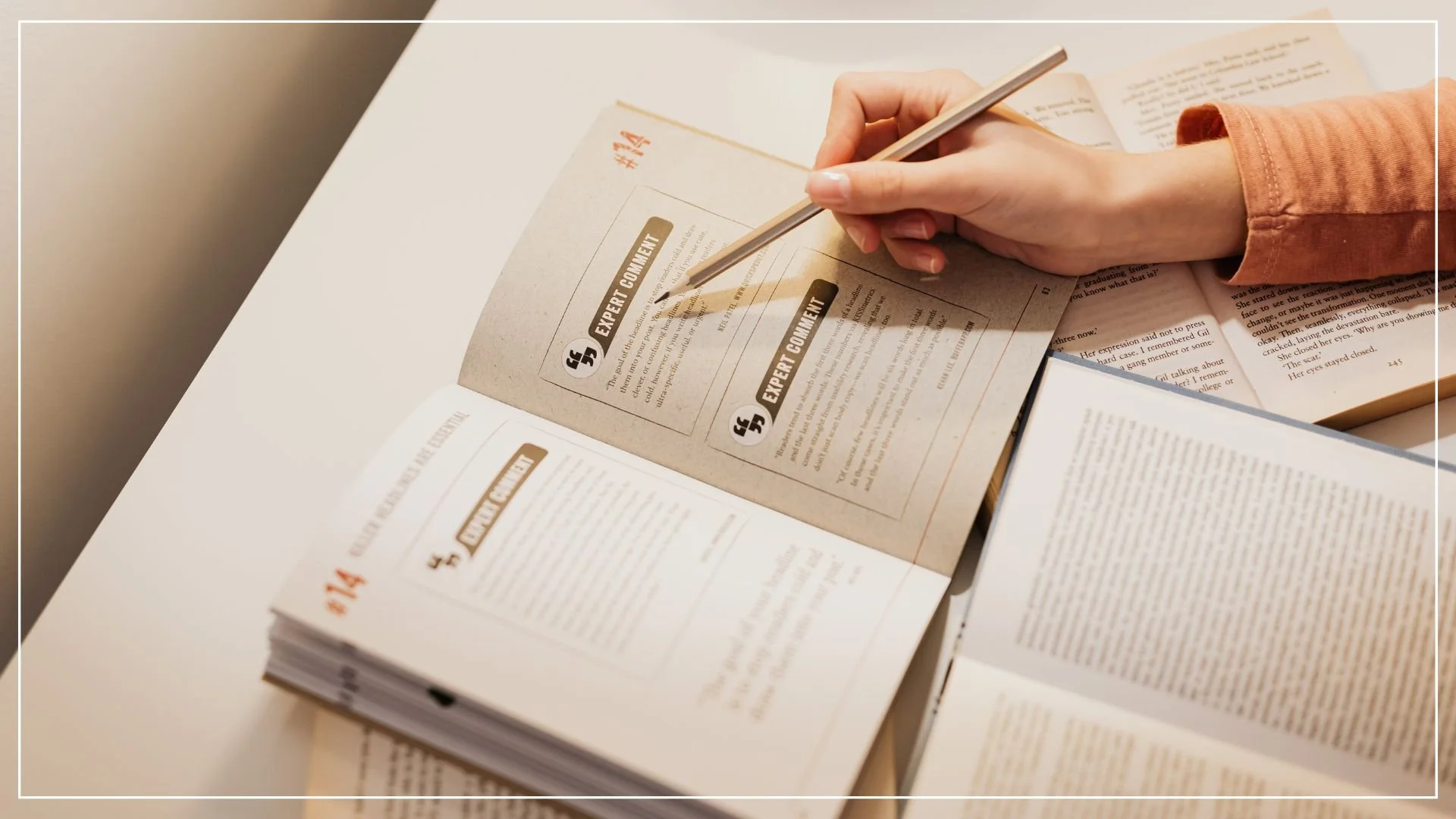
Designing a Personal Curriculum
This is all about reclaiming learning as a joyful, soul-feeding act rather than a stressful obligation. Designing your personal curriculum allows you to create your own learning path that aligns with your interests, values, and the kind of person you want to become.
Learning How to Learn (Again)
For many, restorative learning begins with relearning how to learn.
As children, everything was new and fascinating. We asked questions, followed our curiosity wherever it led, and explored topics without judgement. Then we grew up and began approaching new subjects with preconceptions, doubting our ability to learn, and feeling the pressure to be good at something immediately.
Restorative learning is a return to the beginner’s mindset, one that is open, curious, and patient. Its time we start asking why and what if again.
Importantly, don’t be discouraged if something doesn't click straight away. Trust that your unconscious mind is working even when you're not actively studying. Like bread dough that needs time to rise, some understanding simply requires patience.
Stop thinking that learning can only be linear. Think of it like a spiral, where you can revisit foundational topics in new contexts, adding greater complexity and insight each time. In fact, its good practice to circle back to skills, re-evaluate them, and strengthen them with reflection, practice, and application.
Learning Beyond the Desk
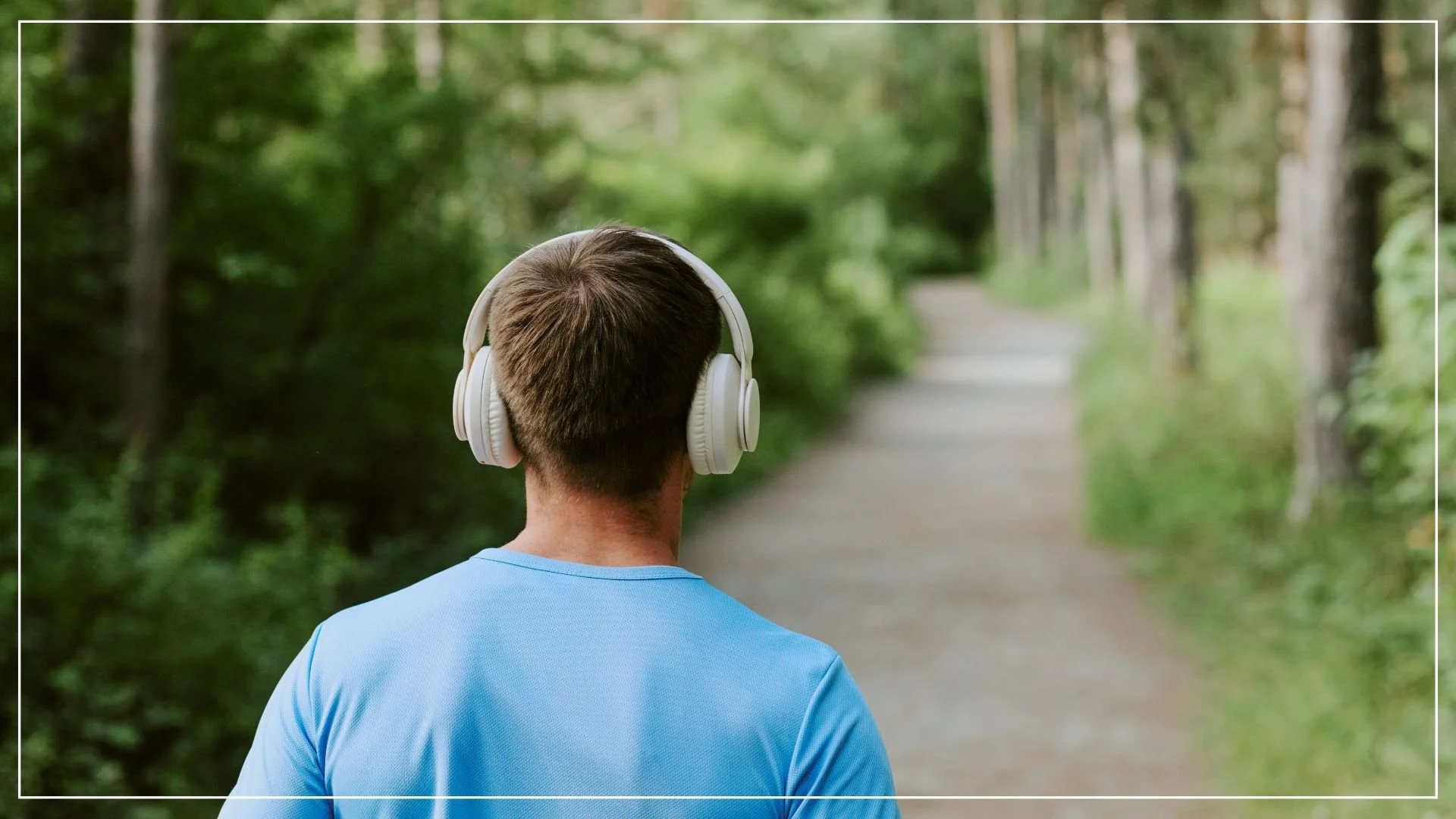
You are not tied to your desk, meaning this process doesn’t have to be rigid and boring.
Play in your learning.
Take walking lessons with a podcast. Flow through a yoga practice while listening to an audiobook. Sketch the fashion of the time you're learning about on the bus stop bench. Learning can become part of your everyday life beyond sitting at a desk.
You are developing the skill of learning through self-discipline, experimentation, and curiosity. All of which you can carry through any stage of life, personally and professionally.
Setting a Slow Learning Schedule
Restorative learning is about taking your time. It’s about engaging with the material, enjoying the process of learning again, and giving the knowledge time to settle.
A consistent effort of even 15 minutes a day builds momentum.
You can decide to work in semesters (6 months) or by terms or quarters (3 months). From there, consider:
How many subjects will you choose (without overwhelming yourself)?
How will you divide them over your days?
Also decide on how you want to end your curriculum:
An essay
A presentation (your houseplants are excellent listeners)
A tangible outcome (playing a new song, sewing a shirt)
Mornings might be for language learning. Lunch breaks or evenings for deeper study (reading, documentaries, or classes). Your evening wind-down could be reserved for spiritual or philosophical texts, reflection, meditation, or gentle movement. Weekends might be for creative practice.
Listen to an audiobook while walking or cycling. Practise chords during a lunch break when working from home. Journal reflections before bed.
But please, please remember that not every moment of your day needs to be productive. These are ideas, not obligations. If you need to listen to calming music that day on the commute, do that. Your brain also needs space sometimes.
Your personal curriculum is a way to spend less time on social media and doomscrolling, and potentially rediscovering interests and finding new hobbies. It’s not meant to add stress to your days. Learning is ongoing, you’re never really ‘finished’.

Choosing Your Subjects
Choose subjects that genuinely interest you, not what you think you should be learning (how it would sound to someone else). This is a personal curriculum, and it doesn’t have to be shared with anyone else.
Think about the topics and skills you’ve always wanted to learn or know more about: history, economics, poetry, languages, astronomy, mathematics, coding, personal finance, pottery, business, photography, wellness, meditation, needlework, music, spirituality.
Is there a historical period you're drawn to? A spiritual concept you’ve thought about knowing deeper? A country that has always fascinated you?
Is there a language you’ve always wanted to speak? A musical instrument you keep thinking about starting? Do you keep thinking about making your own clothes?
If you're having trouble picking, try using the idea of a balanced meal:
the protein is your main focus, the subjects you're genuinely passionate about or that serve your big life goals
the vegetables are the essentials that may not be exciting but support your growth
the carbs, herbs, spices are the delicious additions that add flavour to life
You can also just choose one ‘intellectual’ subject and one ‘creative’ one, focusing on depth over breadth.
Setting Intentions and Goals
Set your intentions and or goals with your time frame in mind.
Goals are specific and measurable, like reaching intermediate German (B1) in 6 months.
Intentions are broader aims, like reaching conversational German so I can communicate more confidently.
Some people thrive on structure. Others feel better with flexibility. Choose what works for you.

Using Diverse Learning Methods
Be open to mixing methods as you learn:
Books will always and forever be a source of knowledge
Courses (online or in person, free or paid for) offer structured learning
Documentaries and podcasts are accessible and engaging ways to absorb information
Finding mentors or tutors can accelerate your progress with personalised guidance
Learn by doing, whether it’s cooking a meal from the country you're learning about, to coding a small program or app.
Keeping a study journal where you can reflect on what you're learning and how the topic or method is resonating with you can keep you connected with this process.
Repeating the Process
When a term or semester ends, plan the next one.
Over time, you’ll become better at choosing subjects, understanding how you learn best, and creating meaningful endings to your learning cycles.
You might stretch a subject over a year, like Statistics 101 and 102, or a reading journey through English, African, East Asian, or Middle Eastern classics.
You can do this alone. You may want to do this with your partner. You may want to do it with a friend, friend group, or community group.
The Struggles of Having a Personal Curriculum
Too often, too many of us approach learning with a perfectionist attitude (perhaps something school instilled in us). We want to finish everything, understand everything, and remember everything perfectly.
When you catch yourself in this mindset, remind yourself that this is restorative learning. There is space for being a messy, imperfect human while learning.
Some days you'll feel brilliant. Other days you'll feel like nothing is sticking. Both are part of the learning journey.
Social media can be helpful, like sharing this great idea and forming community. But it also makes it all too easy to fall into the comparison trap. Someone may be learning five languages while building their business. And suddenly, you begin to question if what your exploration of the local history is ‘enough’. In these moments, remind yourself that this is for you and who you want to become.
This is neither a performance or another test of your worth, nor is it or a reason to talk down to yourself.
It's easy to get excited and create an impossibly ambitious curriculum that leaves you feeling defeated. Start smaller than feels comfortable. You can always add more.

The Benefits of Restorative Learning
When learning become restorative, the benefits ripple beyond gaining knowledge and skills.
Your mind becomes sharper and more focused with this regular intellectual exercise. Learning new things builds confidence and reminds you that growth is always possible. This strengthens your emotional resilience and connects you to the long human conversation and search for knowledge that stretches across generations. We can connect with each other now, and those who came before us.
A personal curriculum brings curiosity and awe into your everyday life. It supports wholesome personal growth by nourishing the mind, body, and soul. It may help clarify your values, direction in life, and sometimes even your sense of purpose.
So put down your phone. Pick up that book you've been meaning to read. And remember what it feels like to learn not because you have to, but because you get to.
Affirmation: I believe learning can be gentle, inspiring, and nourishing. I trust my own rhythm and grow through patience and presence.
To-do: Create a soft outline for your personal curriculum.
Journal Prompts: What beliefs do I hold about being good or bad at learning, and where did they come from?
Connect with Spirited Earthling on your favourite social platforms and say hello 🌻
Resources for mind, body, and soul growth available in the Shop🌿